
Mindfulness and MBSR at VitaLife Center
Find stillness. Cultivate presence. Learn to return to yourself.
Mindfulness is about coming back to the moment, to the body, to awareness itself. At VitaLife Center, we offer evidence-based mindfulness training grounded in the Mindfulness-Based Stress Reduction (MBSR) model developed by Dr. Jon Kabat-Zinn.
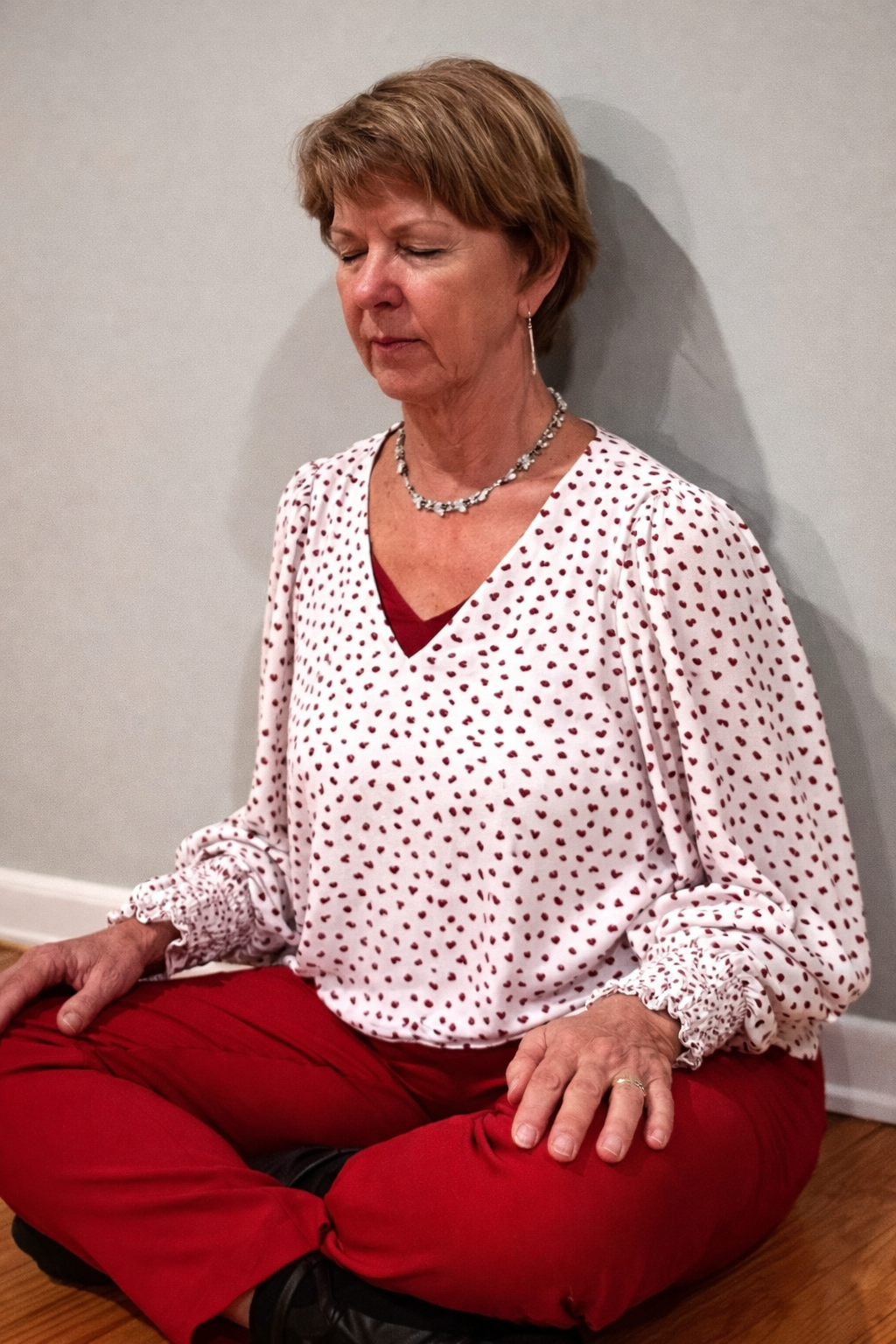
Individual Mindfulness Sessions
In addition to structured courses, Dr. Valerie Rice offers personal one-on-one mindfulness sessions, available both in-person and online.
These sessions provide individualized guidance in mindfulness and stress reduction practices. Each session includes guided meditation, reflection, and practical strategies that you can take into your daily life.
Benefits of individual sessions may include:
- Stress and anxiety reduction
- Greater emotional balance and clarity
- Improved focus and concentration
- Better sleep and overall wellbeing
- A calmer, more centered approach to life’s challenges
Mindfulness-Based Stress Reduction (MBSR) 9-Week Course
Learn to meet life with more ease, presence, and emotional balance.
This course is modeled after the original MBSR :: Mindfulness-Based Stress Reduction / Mindfulness Meditation curriculum developed at the University of Massachusetts Medical School. It blends formal meditation, gentle movement, and real-world integration, helping you build tools to handle stress, pain, overwhelm, or simply the fast pace of life.
Mindfulness-Based Stress Reduction (MBSR) 9-Week Course
In-Person Class:
- Meets once a week for 2 hours
- Includes a 6-hour silent retreat scheduled between classes 6 and 7
Online Class:
- Meets once a week for 1 ½ hours
- Includes a 3-hour silent retreat scheduled between classes 6 and 7
Both formats are led by Dr. Valerie J. Rice and provide the same evidence-based MBSR training, with flexible options to fit your lifestyle.
Cost: $300 (includes a comprehensive training booklet)
{{ is_error_msg }}
Duration: {{ service_details.bookingpress_service_duration_val }} {{ service_details.bookingpress_service_duration_label }}
Price: {{ service_details.bookingpress_service_price }}
{{ is_error_msg }}
{{ is_error_msg }}
{{ is_error_msg }}
Your appointment booking summary
{{ coupon_code_msg }}
{{ coupon_code_msg }}
{{ coupon_code_msg }}
{{ coupon_code_msg }}
Pay Locally
PayPal
{{ is_error_msg }}
{{ staffmember_details.bookingpress_staffmember_email }}
{{ staffmember_details.bookingpress_staffmember_phone }}
What is Mindfulness?
It’s the practice of gentle attention.
Mindfulness is the skill of bringing full awareness to the present moment, with curiosity and without judgment. It’s not about clearing the mind. It’s about noticing where the mind goes, and gently guiding it back.
While the word “mindful” often refers to being thoughtful or intentional, mindfulness meditation is a structured practice that trains your brain and body to respond differently to stress, pain, and emotion.
Through consistent practice, mindfulness becomes more than a technique. It becomes a way of living—with more calm, clarity, and compassion.
Try It Right Now—A Breathing Practice
Close your eyes and notice your breath. That’s it. That’s the beginning.
You don’t have to wait to begin. Try this:
- Close your eyes (or soften your gaze).
- Notice where you feel your breath most clearly.
- Place your attention there.
- If a thought, feeling, or distraction arises, name it silently.
- Then gently return to noticing the breath
Do this for one minute. Or two. Then try it again later today. Over time, you may find your stress softens, your mind clears, and your body begins to trust this practice.

Proven Benefits of Mindfulness Training
Backed by science. Rooted in experience. Open to everyone.
Research on MBSR has shown benefits such as:
- Reduced stress, anxiety, and depression
- Decreased chronic pain and fatigue
- Improved mood and emotional regulation
- Better sleep and reduced insomnia
- Strengthened immune function
- Lower blood pressure
- Improved memory, focus, and attention
- Reduced symptoms of PTSD and ADHD
These shifts come from changing how you relate to what you feel.